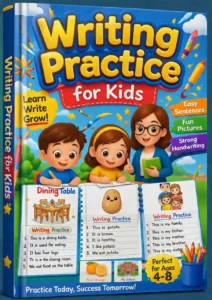
Writing Practice for Kids
Writing practice for kids is more than just learning to form letters on a page. It is a gateway to self-expression, creativity, and academic success. Whether your child is just starting to hold a crayon or is already writing short sentences, consistent writing practice for kids builds fine motor skills, boosts confidence, and lays the groundwork for strong communication. The good news is that writing practice does not have to feel like a chore. With the right activities, it can become a daily highlight.
Why Writing Practice Matters
Many parents focus heavily on reading but forget that writing practice for kids is equally important. When children write, they strengthen the connection between letters and sounds, reinforce spelling patterns, and develop hand muscles needed for future schoolwork. Research shows that early writing practice for kids also improves reading comprehension because children learn to think about how words are built. A child who writes the word cat repeatedly will recognize it faster when reading.
Fun and Easy Activities
You do not need expensive workbooks. Effective writing practice for kids can happen with simple materials you already have at home. Try these ideas:
- Salt tray writing: Pour a thin layer of salt on a baking sheet. Let your child trace letters with a finger.
- Rainbow writing: Write one word in pencil. Then trace over it with three different crayon colors.
- Sticker stories: Give your child five stickers and a blank page. They place the stickers anywhere and write a sentence about each one.
- List making: Ask your child to write a grocery list, a toy wish list, or a weekend plan.
For beginners, start with just five minutes of writing practice for kids each day. Focus on proper pencil grip and letter formation. For older children, move to short sentences and simple journals.
How to Encourage Reluctant Writers
Some children resist writing practice for kids because they fear making mistakes. Remind them that erasers exist for a reason. Celebrate every attempt, not just perfect work. Use fun pens, colored paper, or a small whiteboard to make writing feel like a game. Write together—you write a sentence, then your child copies it. Gradually, they will take the lead.
A Simple Daily Routine
Set aside ten minutes each afternoon for writing practice for kids. Keep a special notebook just for this purpose. Monday: trace letters. Tuesday: copy three words. Wednesday: write one sentence about your day. Thursday: draw and label a picture. Friday: write a short letter to a grandparent or friend.
Final Thoughts
Every child learns at their own pace. With patience, praise, and playful activities, writing practice for kids will transform from a struggle into a joy. Start today—grab a pencil and a piece of paper. You will be amazed at what your young writer can create.