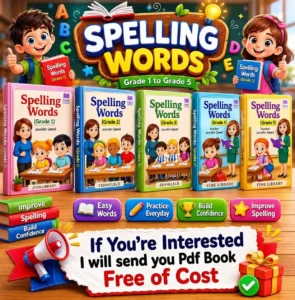
Spelling Words Grade 1, 2, 3, 4, 5: A Year-by-Year Guide for Strong Writers
Learning to spell correctly is a foundational skill that supports reading, writing, and clear communication. Spelling words grade 1, 2, 3, 4, 5 follow a natural progression of difficulty. When parents and teachers understand what to expect at each level, they can help children build confidence without frustration. This guide walks you through every stage, from simple three‑letter words to more complex patterns like silent letters and prefixes.
Grade 1: Short Vowels and Simple Consonants
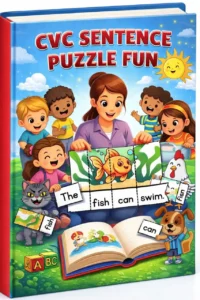
First graders typically learn spelling words grade 1, 2, 3, 4, 5 starting with the easiest group. In grade 1, focus on CVC words (consonant‑vowel‑consonant) such as cat, dog, run, big, and hop. Sight words like the, and, for, you also appear. At this stage, children benefit from writing words in sand, using magnetic letters, or clapping out syllables. Keep lists short—five to seven new words per week is plenty.
Grade 2: Blends and Digraphs
By second grade, students move to blends (bl, tr, sp) and digraphs (sh, ch, th). Examples include ship, chop, train, and spoon. Spelling words grade 1, 2, 3, 4, 5 at this level also introduce long vowel patterns like bake, ride, and home. Parents can play “word detective” by asking children to find these patterns in books or on food packages. Regular dictation sentences—such as “The train will stop at the shop”—reinforce both spelling and comprehension.
Grade 3: Multisyllabic Words and Common Endings
Third graders tackle longer words with endings like ‑ing, ‑ed, ‑er, and ‑est. Words such as running, jumped, faster, and biggest appear. Additionally, spelling words grade 1, 2, 3, 4, 5 at this stage include homophones (e.g., there/their/they’re, to/too/two). A useful activity is to have your child write two sentences using each homophone correctly. This builds both spelling and grammar skills simultaneously.
Grade 4: Prefixes, Suffixes, and Irregular Patterns
By fourth grade, students learn prefixes (un‑, re‑, pre‑) and suffixes (‑ful, ‑less, ‑able). Words like unhappy, replay, careful, and helpless become common. Spelling words grade 1, 2, 3, 4, 5 at this level also include irregular plurals (children, mice, teeth) and words with silent letters (knife, write, thumb). Encourage your child to break words into meaningful parts: re‑play = play again. This strategy reduces memorization burden.
Grade 5: Advanced Vocabulary and Greek/Latin Roots
Fifth graders encounter words from Greek and Latin roots (photo, graph, phone, bio). Examples include photograph, biography, telephone, and automatic. Spelling words grade 1, 2, 3, 4, 5 culminate here with words like necessary, familiar, and environment. At this stage, using a personal spelling journal works well. Ask your child to write each tricky word in a sentence, then read it aloud. Peer quizzes and online spelling games also keep practice engaging.
Daily Practice Tips for All Grades
No matter the grade, consistency beats long study sessions. Spend ten minutes daily on spelling words grade 1, 2, 3, 4, 5 using these methods:
- Look, Say, Cover, Write, Check – A classic, proven technique.
- Rainbow writing – Write each word in three different colors to boost memory.
- Spelling bees at home – Keep them fun and low‑pressure.
Remember that mistakes are learning opportunities. When a child misspells a word, gently point it out and have them trace the correct version twice.
Final Thoughts
Mastering spelling words grade 1, 2, 3, 4, 5 is a journey, not a race. Celebrate small wins—like spelling a tricky word correctly on the first try. By matching your approach to your child’s grade level, you provide exactly the right challenge. Start today with just five words. Over weeks and months, you will see a confident, capable writer emerge.